
 01772 846238
 Find Us
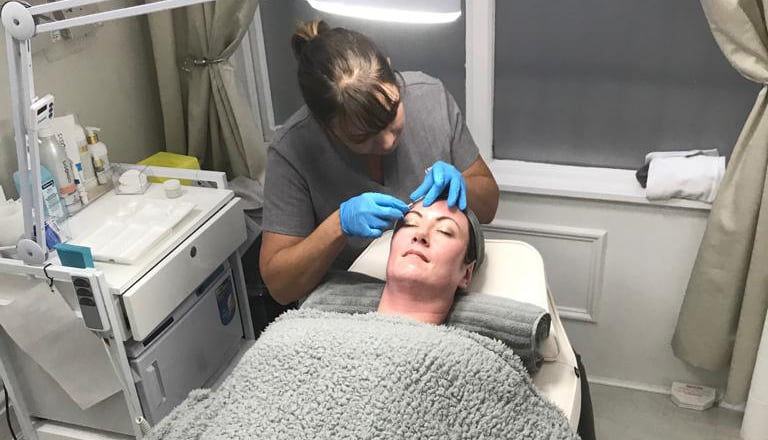
If you’ve had dermaplaning before, you’ll know that lovely smooth, fresh feeling afterwards. So it’s no surprise that one of the questions we’re asked most at our Preston city centre clinic is: how often should you have dermaplaning? The honest answer is that it depends on your skin, but there are some sensible guidelines that help most people get the balance right.
In this guide we explain what dermaplaning actually does, why spacing your treatments matters, the things that can change how often is right for you, and when it’s better to wait.
A quick reminder: what is dermaplaning?
Dermaplaning is a gentle, deep exfoliation treatment. A trained practitioner uses a small surgical scalpel to carefully lift away the top layer of dead skin cells, along with the fine, fluffy vellus hair (often called peach fuzz). The aim is to leave skin looking brighter and feeling smoother, and it can also help skincare and make-up sit more evenly.
It’s a short treatment, so many of our clients fit it into a lunch break and carry on with their day. Most people describe the feeling as a light scratching sensation rather than anything uncomfortable.
So, how often should you have dermaplaning?
For most people, leaving around four weeks between dermaplaning treatments works well. That’s roughly how long it takes for a new build-up of dead skin cells and fine hair to form on the surface, so there’s something worthwhile to remove each time without over-treating the skin.
Some people prefer to leave longer, every six to eight weeks or simply before a special occasion, and that’s absolutely fine too. Dermaplaning isn’t a treatment where more is better. Having it too often can leave skin feeling tight, dry or sensitive, because you’re removing protective layers before they’ve had time to rebuild.
We’ll always talk through what’s right for your skin at your consultation, rather than giving everyone the same plan.
What can change how often is right for you?
Everyone’s skin is different, and a few things can affect the ideal gap between treatments:
- Your skin type. Drier or more sensitive skin usually does better with longer gaps. Skin that tends to look dull or congested may benefit from regular, steady treatments.
- The time of year. In autumn and winter, cold air outside and central heating inside can leave skin drier, so we may suggest pairing dermaplaning with plenty of hydration and keeping a sensible gap between sessions.
- Other treatments you’re having. Dermaplaning is often used to prepare skin for other treatments, such as a chemical peel or an illumiFacial®. If you’re combining treatments, we’ll plan the timing so your skin isn’t over-exfoliated. You can read more in our guide on whether to combine dermaplaning with a chemical peel.
- Your home skincare. If you use strong exfoliating products or active ingredients such as retinol or acids at home, your skin may need longer between treatments. Bring a list of what you use to your appointment and we’ll advise.
Signs it may be time for your next treatment
Rather than sticking rigidly to a calendar, it helps to look at how your skin is behaving. You might be ready for another treatment if:
- your skin is starting to look a little dull or uneven again
- make-up isn’t sitting as smoothly as it did
- you can feel a rougher texture when you run your fingers over your skin
- your skincare doesn’t seem to be absorbing as well
On the other hand, if your skin still feels sensitive, tight or flaky from your last treatment, it’s a sign to wait a little longer.
When dermaplaning may not be suitable
Dermaplaning isn’t right for everyone. We generally advise against it for people with very sensitive or reactive skin, including rosacea or keratosis pilaris, or for anyone with active, inflamed acne, because it’s likely to cause irritation. If you’re unsure, that’s exactly what a consultation is for. If you have an ongoing skin condition, your GP or a dermatologist is the right person to diagnose and manage it, and the British Association of Dermatologists and British Skin Foundation both have helpful information on common skin conditions.
Why DIY dermaplaning at home isn’t the same
It can be tempting to try dermaplaning at home between appointments, but we’d encourage you to be cautious. Using the wrong tool or technique can lead to nicks, irritation and redness, and doing it too often is a common reason skin becomes sensitive. Our article on why you should avoid DIY dermaplaning explains more. The NHS also has useful advice on choosing who will carry out a cosmetic procedure.
Looking after your skin between treatments
Good aftercare helps your skin recover and keeps it looking its best between appointments:
- Use a gentle cleanser and a good moisturiser, ideally with hydrating ingredients such as hyaluronic acid or ceramides.
- Avoid harsh scrubs, retinol and exfoliating acids for the first few days.
- Hold off on make-up straight after treatment if you can.
- Wear a broad-spectrum sunscreen every day, even in autumn and winter. The NHS has clear guidance on sunscreen and sun safety.
Our guide to important aftercare steps for dermaplaning goes into more detail.
Common questions about dermaplaning frequency
Will my hair grow back thicker if I have dermaplaning regularly?
No. Removing vellus hair doesn’t change the hair follicle, so it grows back just as it was before. It can sometimes seem more noticeable as it grows back simply because your skin looks brighter. We cover this in our post on myths about dermaplaning.
Can I have dermaplaning before an event?
Yes, many people like to book dermaplaning a few days before a special occasion so any temporary sensitivity has settled. If it’s your first treatment, it’s a good idea to try it well in advance so you know how your skin responds.
Is there an age limit?
All of our treatments are for adults aged 18 and over.
Book a dermaplaning consultation in Preston
If you’re wondering how often dermaplaning would suit your skin, we’d love to help. At your consultation we’ll look at your skin, talk about your goals and any other treatments or products you use, and suggest a plan that feels realistic for you. Results vary from person to person, and we’ll always be honest about what to expect.
You can get in touch with the clinic or request our price list. We welcome clients from across Preston and nearby areas including Leyland, Chorley and the wider Lancashire area.
The Skin and Wellbeing Clinic is proud to provide professional aesthetics treatments for clients in Preston, Blackpool, Leyland, Chorley, Kirkham, Blackburn and the North West of England. Our key treatments and services include Anti Wrinkle Injections, Dermal Fillers, Laser Hair Removal, Acne Treatments, Injectable Polynucleotides, and much more.